Replace the compressor when testing confirms an isolated failure, the rest of the system is in good condition, compatible parts and refrigerant are available, and warranty coverage keeps the complete repair reasonable. Compare a new matched system when other components are deteriorating or the repair leaves too much remaining risk. Use written findings and complete quotes, not one age or price rule.
This decision should begin with a confirmed diagnosis. A compressor is expensive enough that you should know what failed, what was ruled out and what the repair would include before comparing it with replacement.
Warm air, humming, a tripped breaker or an outdoor unit that will not start can point to a compressor problem, but none of those symptoms confirms one. Smaller electrical, control or refrigerant issues can produce similar behavior.
A qualified technician should check the system as a whole and explain the findings. Depending on the symptoms and equipment, the diagnosis may include:
You do not need to interpret the readings yourself. Ask which results confirmed compressor failure and which tests ruled out a capacitor, contactor, wiring, control or charge problem. A professional AC diagnosis should give you more than a verbal statement that the compressor is bad.
Yes. A failed capacitor can prevent the compressor from starting, while damaged wiring, a faulty contactor, control problems or improper voltage may create similar symptoms. Those possibilities should be checked before a major repair is proposed.
Do not repeatedly reset breakers or open electrical panels to test the system yourself. Compressor diagnosis involves high voltage and refrigerant work that belongs with a qualified technician.
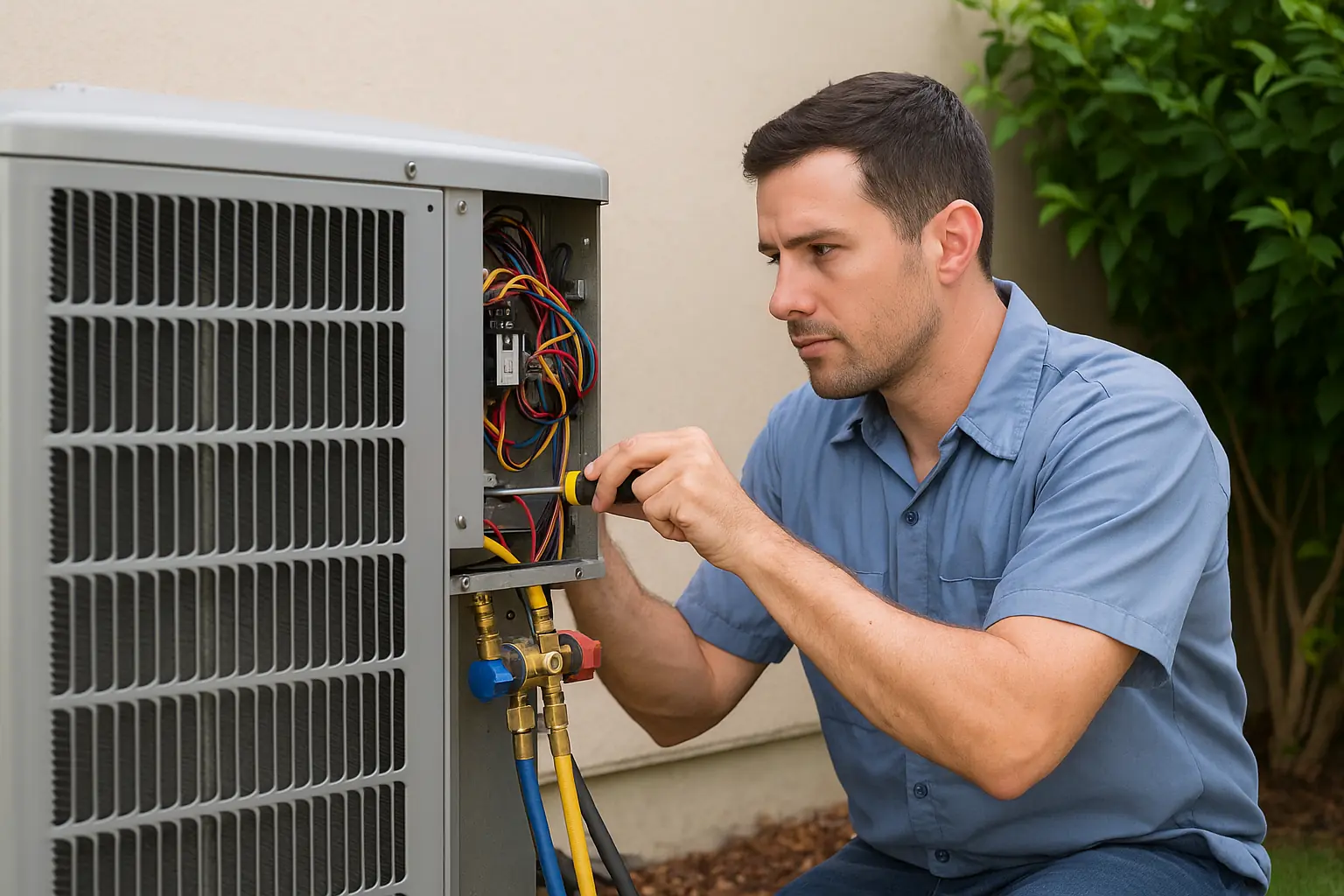
Compressor replacement, condenser replacement and full-system replacement are different jobs. Quotes become difficult to compare when all three are described as “replacing the outside unit.”
The compressor is removed from the existing outdoor condenser and replaced. The outdoor coil, cabinet, fan, controls, indoor coil, blower and other matched components remain in service.
The full outdoor unit is replaced, including the compressor, outdoor coil, fan and factory controls. The indoor equipment remains, so compatibility, refrigerant, efficiency ratings and manufacturer approval still need to be confirmed.
When this option is proposed, the indoor and outdoor unit compatibility should be documented before work begins. A condenser that physically connects is not automatically an approved match.
The indoor and outdoor equipment are replaced as an approved combination. The proposal should identify both model numbers, the rated match, required accessories and the work needed to install and start the new system.
Understanding which scope you are considering prevents a compressor repair from being compared with a vaguely described “new unit” that may not include the indoor equipment or related work.
A compressor replacement involves more than the new part. The full job should address the refrigerant circuit, contamination risk, materials and testing needed to return the existing system to operation.
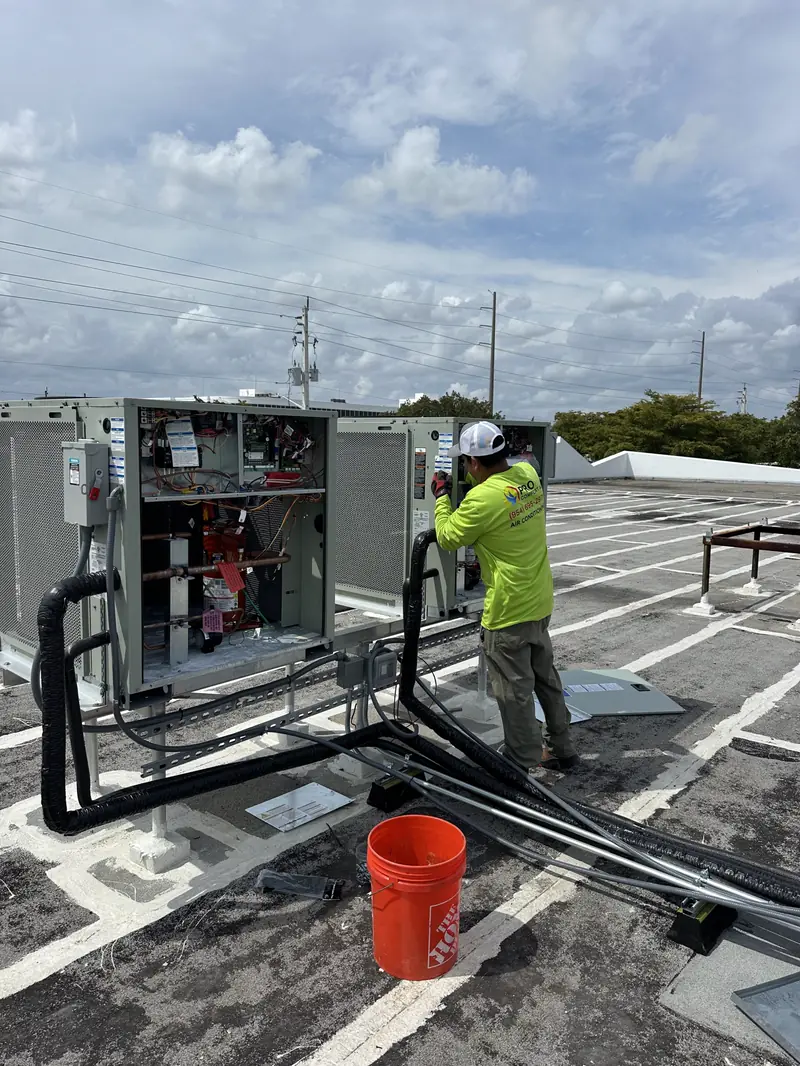
Ask whether the quote includes:
The scope may change if the technician finds contamination, leaking components, damaged valves or other conditions after opening the system. The quote should explain which findings could change the price and how additional work will be approved.
Compressor replacement can be reasonable when the failure is isolated and the rest of the matched system remains worth keeping. The strongest repair cases usually have several supporting facts, not a single favorable detail.
Repair may deserve serious consideration when:
A covered compressor does not automatically create a free repair. It does, however, change the comparison when the remaining labor, refrigerant and materials are clearly priced.
Replacement becomes more compelling when the compressor is only one part of a larger condition problem. Repairing one major component may not be a good use of money if several other expensive or hard-to-source parts are already deteriorating.
Look beyond the compressor for:
There is no universal age when compressor replacement stops making sense. Age is useful because it adds context to the condition of everything that will remain after the repair. The warning signs affecting the rest of the AC matter more than the manufacture date alone.
In Lighthouse Point, where most homes were built before 1970, AC replacement in 1960s-era houses can mean weighing a new compressor against a whole new system.
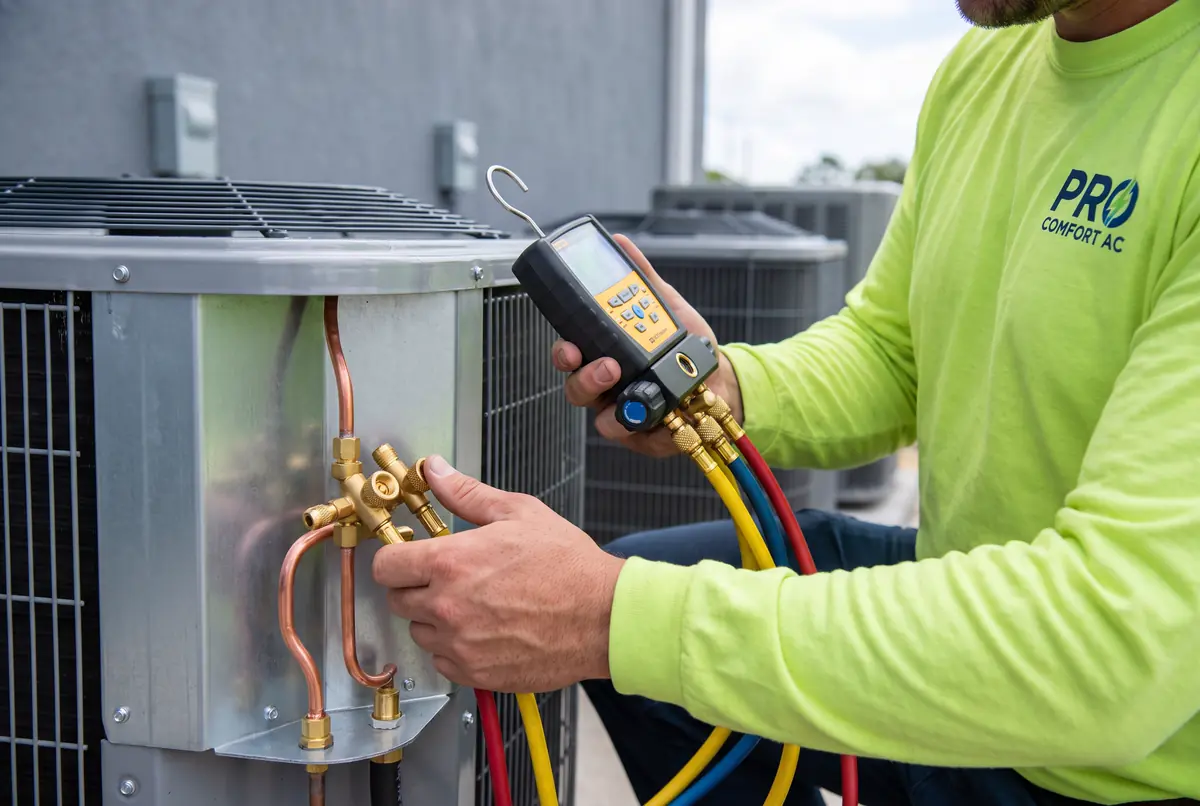
Yes. Existing R-410A systems can still be repaired in 2026, including replacement of a compressor or condensing unit. The refrigerant transition does not require homeowners to remove working legacy equipment.
Under the EPA rules for existing HVAC systems, components may continue to be manufactured and imported for service of existing equipment. The EPA also notes that availability of refrigerant and components may change as HFC production and consumption are phased down.
A compressor repair keeps the existing approved refrigerant circuit. It does not convert the system to the refrigerant used by newer equipment. The quote should identify the current refrigerant, the replacement compressor and the refrigerant work included.
Refrigerant type belongs in the decision, but it should not decide the outcome by itself. A repair may remain practical when the system is otherwise healthy and the necessary part and refrigerant are available. A deteriorated system with several problems may still favor replacement regardless of refrigerant.
Often not. A manufacturer’s warranty may provide an eligible compressor while diagnosis, labor, refrigerant, filter-driers, shipping, cleanup and access remain billable unless another agreement covers them.
Before approving the work, collect:
Florida registration and transfer rules may also affect the warranty record. The parts, labor and transfer rules for a new AC warranty should be reviewed separately from the mechanical decision to repair or replace.
A fair decision uses the full compressor-repair total and the full matched-system replacement total. Each quote should show its exclusions, warranty and the condition risks that remain after the work.
Decision field
Requires a confirmed, isolated compressor failure
Should still include a review of the complete system
What tests ruled out electrical, control, charge and other faults?
Identifies the compressor, availability, warranty, labor and materials
Identifies both model numbers, rated match and warranty terms
What is covered, and what will you pay?
Includes recovery, contamination cleanup, evacuation, charge and leak status
Includes line-set decision, approved refrigerant, evacuation and startup
What work is included, and what finding could change it?
Existing coils, blower, controls, ducts, electrical and cabinets stay
Major matched components are replaced within the stated scope
What condition risks remain outside the compressor?
Existing system rating and design remain
Performance depends on the selected match, load and installation
Are comfort or savings claims tied to specific equipment and calculations?
Shows the complete repair price, exclusions and repair warranty
Shows the complete installation price, exclusions and new warranties
Which option fits your ownership plans and tolerance for another repair?
Do not compare the price of a compressor part with the price of a complete installation. Compare everything required to finish each job.
Ask the same questions about both proposals:

The replacement proposal should describe a complete matched AC installation, including both model numbers and the related startup work. The compressor quote should identify every step needed to return the existing system to service.
The price depends on the exact equipment and repair scope, so one statewide range would be misleading. Compressor type, system capacity, part availability, refrigerant, contamination, access and warranty coverage can all change the final amount.
Ask for separate lines covering:
If the contractor cannot finalize part of the price until the system is opened, the quote should describe the condition that would trigger the extra work and how much that work would cost. That is more useful than an unsupported average that may not resemble your system.
Ask for a confirmed compressor diagnosis and two itemized options when both are technically available. One should cover the complete compressor repair. The other should cover a complete matched-system replacement. Each should show warranties, exclusions and the risks that remain afterward.
Contact our team to discuss the test results and request written options for your system.
Pro Comfort AC LLC
817 SE 9th St
Deerfield Beach, FL 33441
Phone: (954)363-9191
Email: procomfortac@gmail.com
Business Hours
Monday – Sunday: Open 24 Hours
Emergency Service Available
Last reviewed September 6, 2026. EPA refrigerant guidance was checked against the current Technology Transitions information. Equipment, warranty and refrigerant availability vary by model and provider.