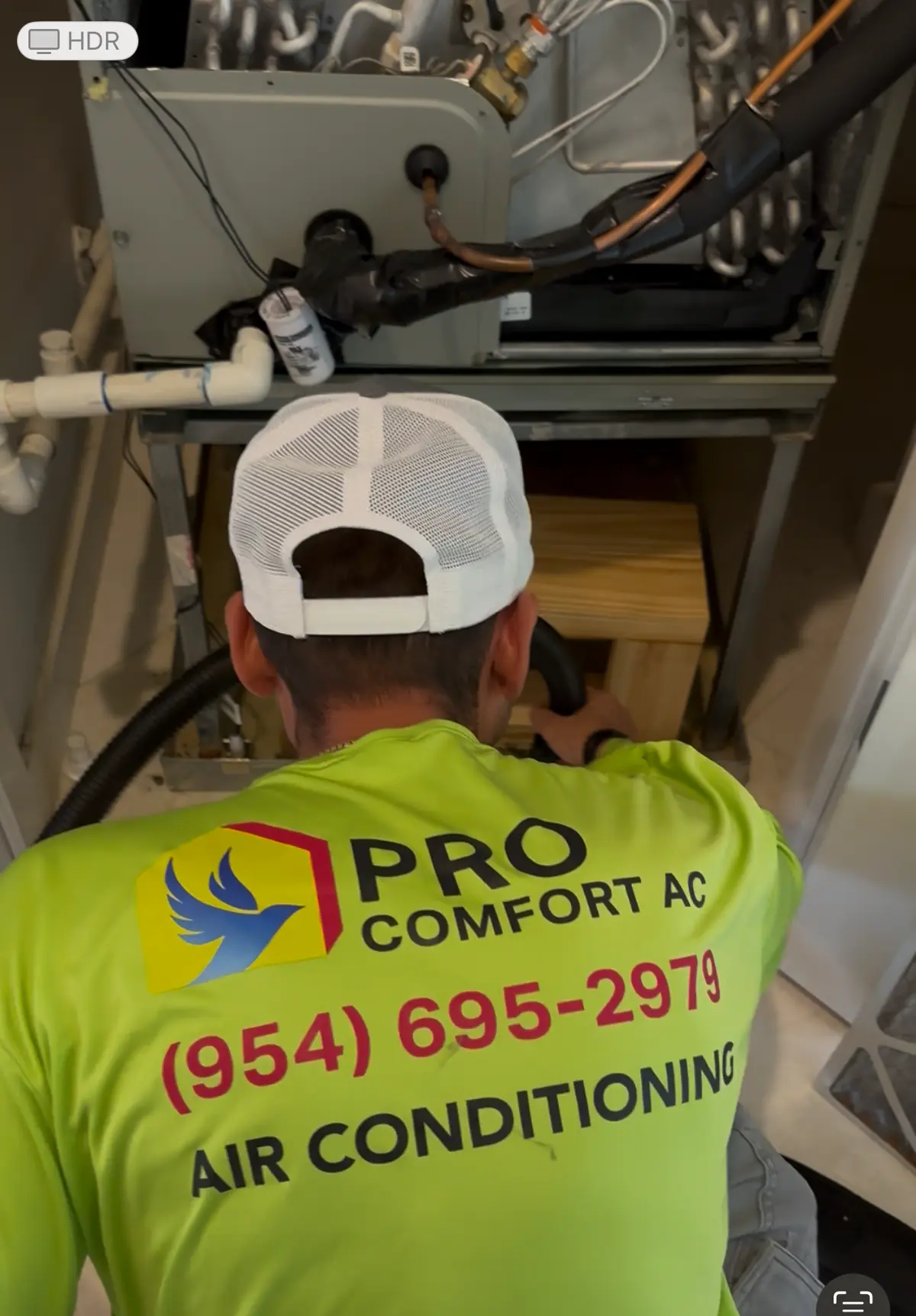
The best time to replace an AC in Florida is before a known problem turns into a failure during hot weather. Fall, winter and early spring may give you more room to compare options and plan the work, but no month guarantees the lowest price. Replace sooner when the system is failing, unsafe or no longer controlling temperature and humidity.
The calendar matters, but the condition of your system matters more. A reliable AC with early warning signs may leave time for a planned replacement. A system that has already failed should not sit unusable while you wait for a theoretical off-season deal.
Start with what the equipment is doing now. Repair history, current performance, corrosion, parts availability and the consequences of an unexpected outage give you more useful information than the month on the calendar.
Age can help frame the conversation, but it should not decide it. South Florida heat, humidity and coastal exposure affect AC lifespan differently from one property to another. Installation quality, maintenance and runtime matter as well.
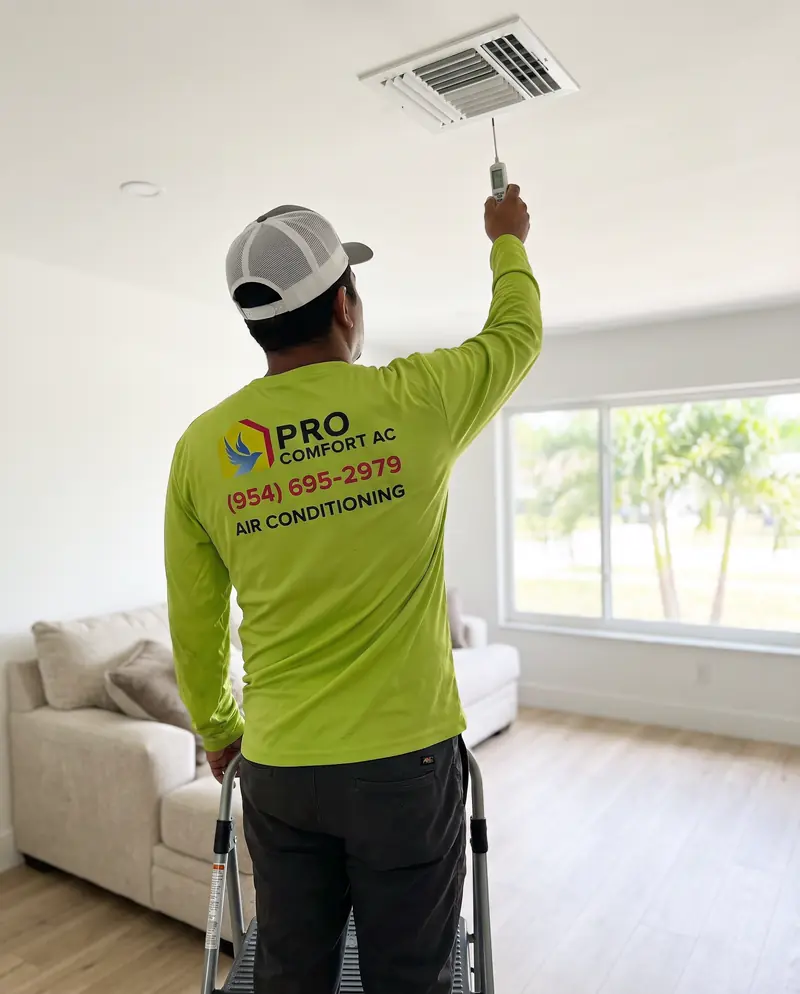
A condition assessment should answer a few practical questions:
If the answers point to rising risk, begin planning while the system still runs. Planning early does not commit you to replacing it immediately. It gives you time to understand the options before comfort, weather or availability makes the decision for you.
The planning window is when you assess the system, compare proposals and prepare the property. The installation date comes after the scope, equipment, approvals and access are settled.
Treating those as separate stages makes the project easier to manage. You can begin with an assessment, set the conditions that would trigger replacement, and then choose an installation window based on the level of risk.
The steps may include:
Some homes move through these steps quickly. Others involve association paperwork, rooftop access, electrical changes or equipment that must be confirmed before a date can be offered. Because those details vary, a contractor should not promise a universal planning timeline without first reviewing the project.
South Florida does not have a true no-cooling season. Fall, winter and early spring may offer more comfortable planning windows, but humidity, warm days, contractor workload and equipment availability continue to change throughout the year.
Planning window
Fall
Review summer performance, compare scopes and check storm or association constraints
More time to plan after the most demanding cooling months
Automatic discounts or immediate availability
Planning window
Winter
Complete load and duct assessments, gather approvals and arrange property access
A planned cooling interruption may be easier on a mild day
Cooling will not be needed or every day will be mild
Planning window
Early spring
Finalize equipment, permits, funding and the installation date
Leaves planning room before the hottest part of the year
Scheduling and equipment will remain open if you wait
Planning window
Late spring and summer
Act on active problems and confirm equipment and temporary comfort options
Avoids carrying a known failure risk through hotter weather
A struggling or failed system should wait for another season
Planning window
Storm approach or recovery
Protect the property, document damage and confirm safe access
Planned work may continue when conditions allow
Normal delivery, inspection, roof or crane schedules
Fall can be a useful planning period because you have a recent picture of how the system handled summer. You may have more time to compare equipment, review duct concerns and complete association paperwork before choosing a date.
It is not automatically the cheapest season. Warm weather can continue, and storm activity may disrupt deliveries, inspections or exterior work. In hurricane-prone areas like Boca Raton, fall planning may also include preparing the AC for a storm in case severe weather affects access or scheduling.
Winter may reduce the discomfort caused by a planned cooling interruption on milder days. It can also provide room to handle permits, property access and equipment decisions without the same pressure as an active summer failure.
That does not make winter universally cheaper or less busy. Contractor schedules, equipment prices and manufacturer promotions change independently, so compare the current complete proposals rather than relying on an off-season assumption.
Begin when the assessment identifies meaningful risk, not according to a universal countdown. The right amount of time depends on diagnosis, approvals, equipment, permit review, access and whether the work involves ducts, electrical upgrades or rooftop coordination.
Starting before the system fails gives you the most control. If installation-day logistics are unfamiliar, understanding what happens during an AC replacement can help you prepare the property and ask better scheduling questions.
A planned replacement may be reasonable when several documented risks are building at once. A functioning system does not need to be replaced simply because it reaches a particular age.
Reasons to start comparing replacement options may include:
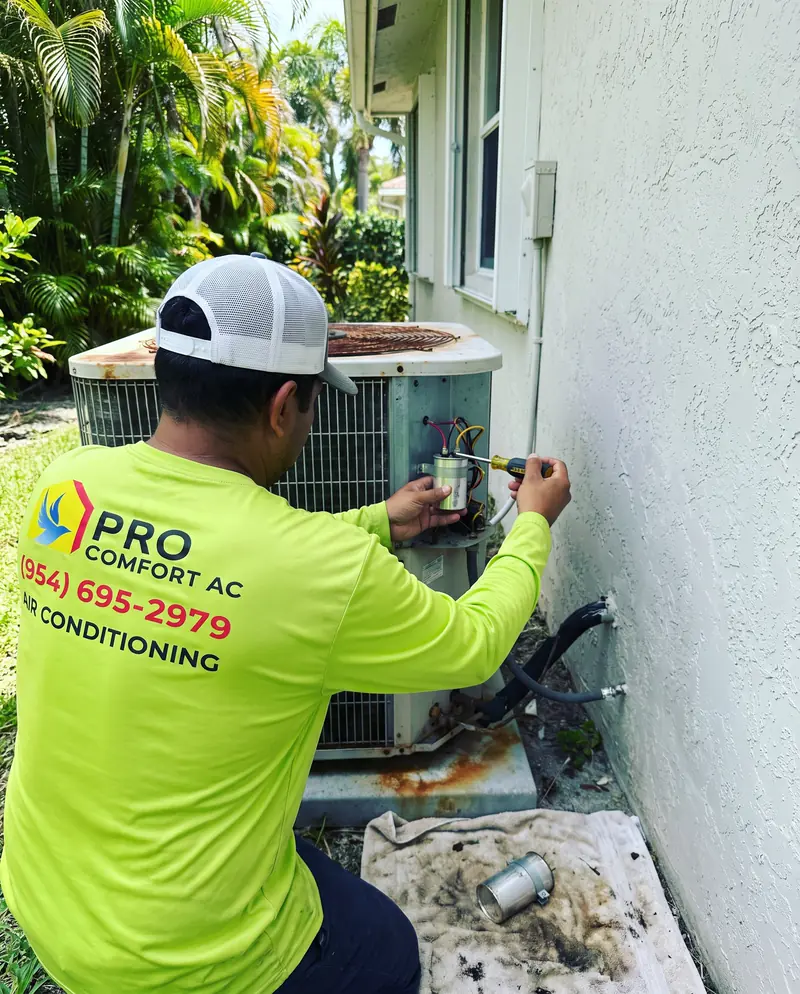
These are planning signals, not automatic verdicts. The diagnosis should explain what is failing, what a repair would address and what risk would remain. When several problems overlap, the signs that an AC may need full replacement can help organize the conversation without turning age alone into the deciding factor.
Some findings take priority over seasonal timing. A confirmed major failure, unsafe electrical condition, severe moisture problem, inability to maintain reasonable indoor conditions or lack of a practical repair path can make delay the wrong choice.
Comfort, urgency and immediate hazards are not the same. Weak cooling or an uncomfortable room needs diagnosis, but burning smells, damaged electrical components, repeated breaker trips or another suspected safety issue call for prompt professional attention. Do not open electrical panels or attempt refrigerant repairs yourself.
Ask for the diagnosis and available options in writing. If repair remains practical, compare what it would restore and how much uncertainty remains. If it does not, move into replacement planning based on the current condition rather than waiting for a preferred month.
The installation date may depend on decisions outside the HVAC equipment itself. Permit review, association approval, equipment availability, property access and funding can all affect when the project is ready to schedule.
Work backward from the period when you would like the installation completed:
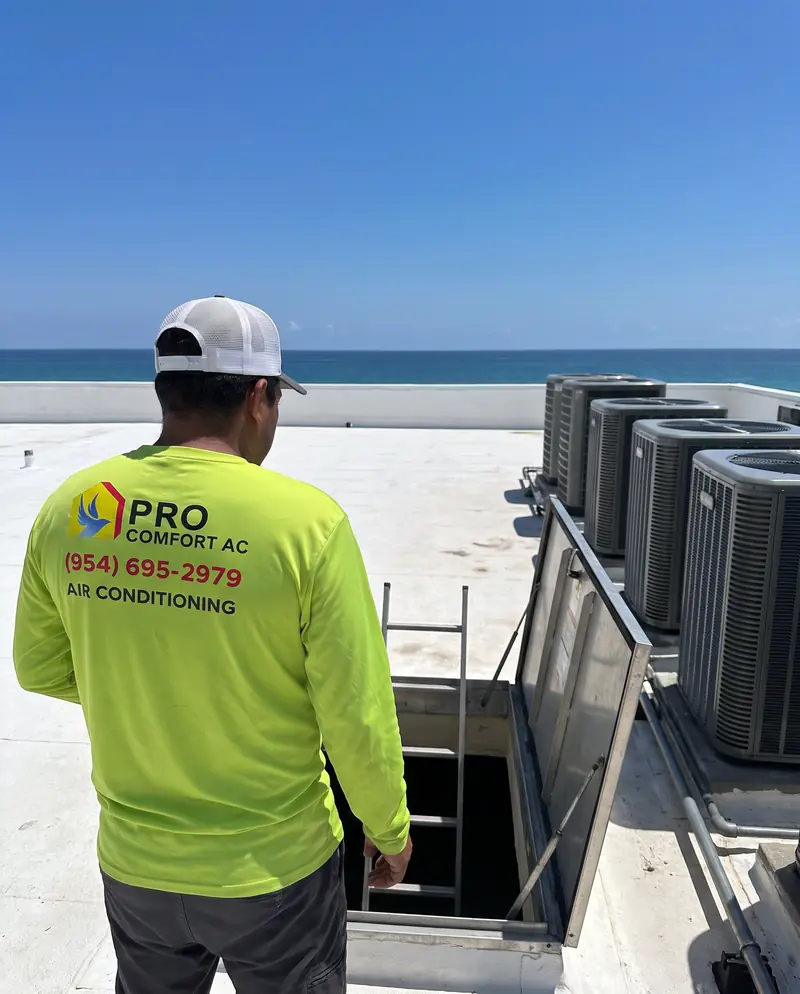
Avoid relying on a generic promise that approval takes a certain number of days. The current workload, project scope and property rules can all change the schedule.
They can change, but no season guarantees the lowest total installed price. Equipment costs, contractor workload, inventory, promotions, rebates and financing programs may move separately.
Compare the current net cost and the full scope, not a headline discount. Each proposal should identify:
Ask when the quote expires and which parts of the price may change. A lower proposal may omit work included elsewhere, while a seasonal promotion may apply only to certain equipment or terms. Waiting for a sale is rarely useful if the system has a documented risk of failing first.
A short written plan can turn an uncertain “someday” replacement into a decision you can manage. It should define the condition of the system, what would trigger action and what must be ready before installation.
Use these seven steps:
Document the current condition. Ask for the diagnosis, photos and relevant measurements.
Set replacement triggers. Decide which failure, repair or performance change would end further repairs.
Compare complete scopes. Match equipment, duct, electrical, permit and warranty details line by line.
Confirm approvals. Identify HOA, condo, permit and property-access requirements.
Confirm equipment. Get the proposed indoor and outdoor model numbers in writing.
Prepare for changes. Ask how weather, supply or inspection delays would be handled.
Choose the installation window. Schedule based on system risk and project readiness, not a promised seasonal bargain.
Once those pieces are clear, planned AC replacement and installation becomes easier to schedule without guessing what the project includes.
The best replacement window is the one that gives you enough time to understand the system’s condition, compare complete scopes and handle the approvals your property requires. If the AC is still operating but showing meaningful warning signs, a condition assessment can help you plan before the decision becomes urgent.
Contact our team to discuss the system’s condition, the work being proposed and the timing factors that apply to your property.
Pro Comfort AC LLC
817 SE 9th St
Deerfield Beach, FL 33441
Phone: (954)363-9191
Email: procomfortac@gmail.com
Business Hours
Monday – Sunday: Open 24 Hours
Emergency Service Available