

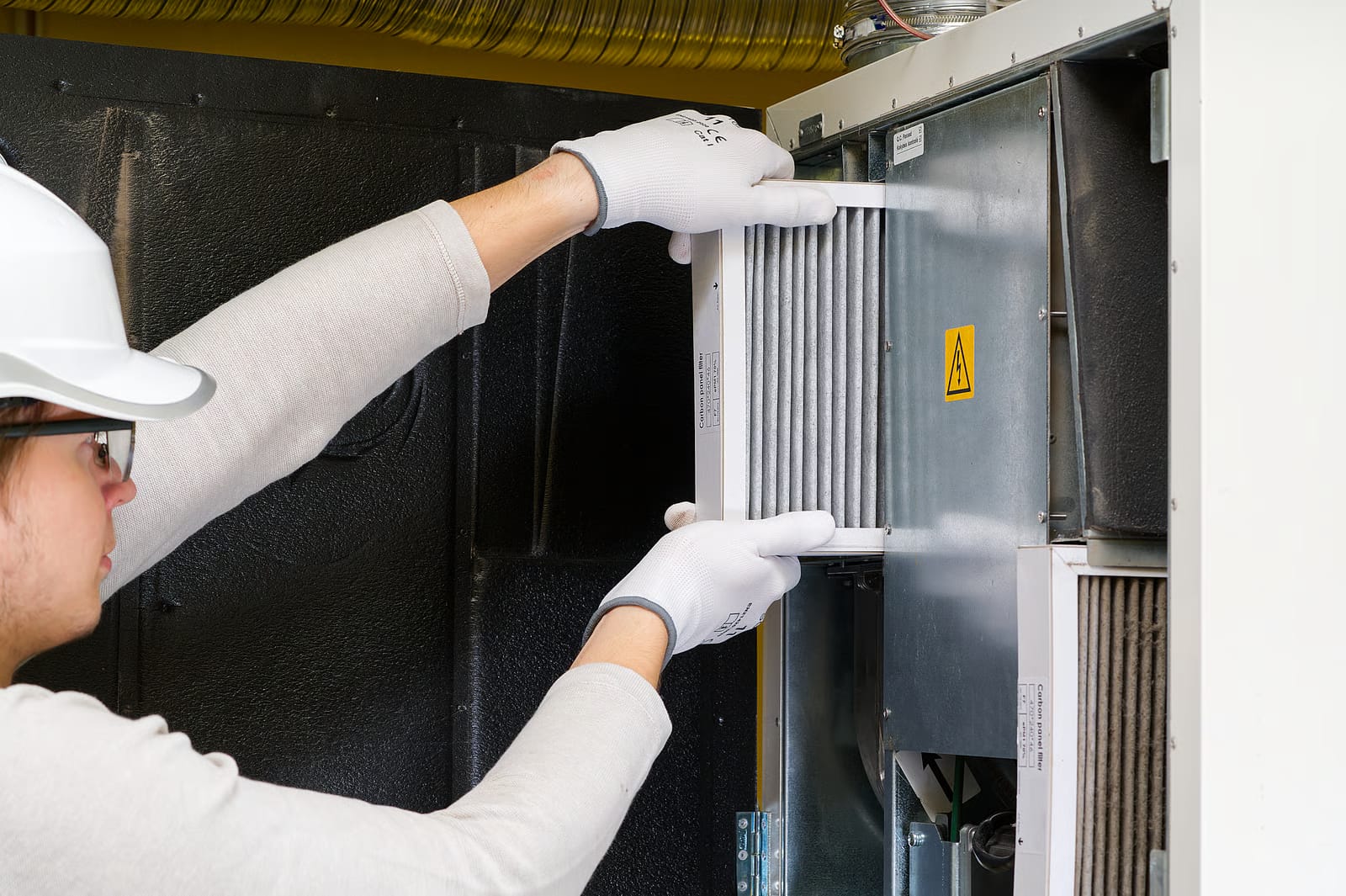
MERV Ratings and Choosing the Right AC Filter for Allergies
What is a MERV Rating?
MERV stands for Minimum Efficiency Reporting Value. Think of it as a simple scale from 1 to 16 that measures how well a filter captures airborne particles. Higher numbers mean the filter can trap smaller particles. A MERV 4 might catch visible dust, while a MERV 13 can capture particles you’d need a microscope to see.
The system gives you a straightforward way to compare filters. But understanding which rating you need takes a bit more context, especially when South Florida allergens factor into the equation.
Decoding MERV Ratings
The Airflow vs. Filtration Balance
Here’s what matters most when selecting filters for your Deerfield Beach home. A denser filter means your AC’s fan has to work harder to pull air through the system. Over time, this can reduce efficiency and wear down components. High MERV filters can restrict airflow significantly if your system isn’t designed to handle them.
Why High MERV Filters Can Cause Problems
Think about it like breathing through a thick cloth versus a thin one. Your lungs work harder with denser material. Your HVAC system faces the same challenge.
Many homeowners ask why their high MERV filter restricts airflow so much, and the answer comes down to material density. Before jumping to a high MERV rating, check your system’s manual or schedule a routine maintenance appointment where a technician can measure your system’s static pressure and recommend the right filtration level for your equipment.
What MERV Rating for Florida Allergies Works Best?
For most homes in our area, a MERV rating between 8 and 11 balances performance with practicality. These filters capture the allergens common to South Florida, including pollen from oak and ragweed, mold spores from our humid climate, and dust mites that thrive year-round.
If you’re wondering what MERV rating for Florida allergies makes sense in Deerfield Beach specifically, this range handles our local conditions without overwhelming residential systems.
Why Filter Size Also Matters
1-Inch Filters
Most homes use 1-inch filters. These work fine with MERV 8 ratings, but higher ratings can restrict airflow too much. If you want better filtration with a 1-inch filter, look for pleated designs that maximize surface area without excessive density.
4-Inch Filters
Thicker filters offer more surface area, which means they can have higher MERV ratings without restricting airflow. A 4-inch MERV 13 filter captures more particles than a 1-inch MERV 13 while allowing air to pass through more easily. If your system can accommodate this size, it’s worth considering.
Pleated vs. Fiberglass: Does it Matter?
Pleated filters almost always outperform flat fiberglass models. The pleats create more surface area for capturing particles. A pleated MERV 8 filter costs a few dollars more than a basic fiberglass one, but the improved air quality justifies the small price difference. Flat fiberglass filters mainly protect your equipment from large debris but won’t help much with allergies.
When it’s time to replace your air filter, look for pleated options over the cheapest fiberglass models.
How Often to Change AC Filters in South Florida
Our climate affects filter lifespan. High humidity, frequent AC use, and year-round pollen mean filters get dirty faster here than in other parts of the country. Most 1-inch filters need replacement every one to three months. Thicker 4-inch filters can last six to twelve months, depending on your home’s conditions.
If you have multiple pets or run your AC constantly, check your filter monthly. A clogged filter forces your system to work harder and can lead to costly repairs.
So What Works for Most Local Homes?
A mid-range MERV filter between 8 and 11 offers the best value for most Deerfield Beach homes. These filters capture common South Florida allergens without straining your HVAC system. The small investment in a quality pleated filter can make a significant difference in your indoor air quality.
Remember that even the best filter won’t help if you forget to change it. Mark your calendar, set a phone reminder, or sign up for a filter subscription service. Regular replacement matters just as much as the filter type you choose.
Ready to Breathe Easier?
Choosing the right filter makes a real difference in your home’s air quality. Contact us today to learn more about filter options and how to optimize your HVAC system for South Florida’s unique climate and allergen challenges.