If one of your two AC systems has failed, you do not automatically need to replace both. Replacing both AC systems at the same time may make sense when each one has its own problems or when doing the work together offers a clear cost or scheduling benefit. If the second system is still reliable, keeping it is often the better choice.
Many larger Boca Raton homes use separate systems for the upstairs and downstairs, an addition, a guest area, or different wings. When one stops cooling, comparing both systems separately can help you decide what needs attention now and what can wait.
Two AC Systems
Two complete AC systems usually mean two outdoor condensers and two indoor air handlers or coil sections. Each pair serves its own area and operates independently.
One Split System
A split system has one indoor section paired with one outdoor condenser. Changing both components is a full AC system replacement. If only the condenser has failed, you may be able to replace the outdoor unit and keep the indoor equipment, but the components still need to be compatible.
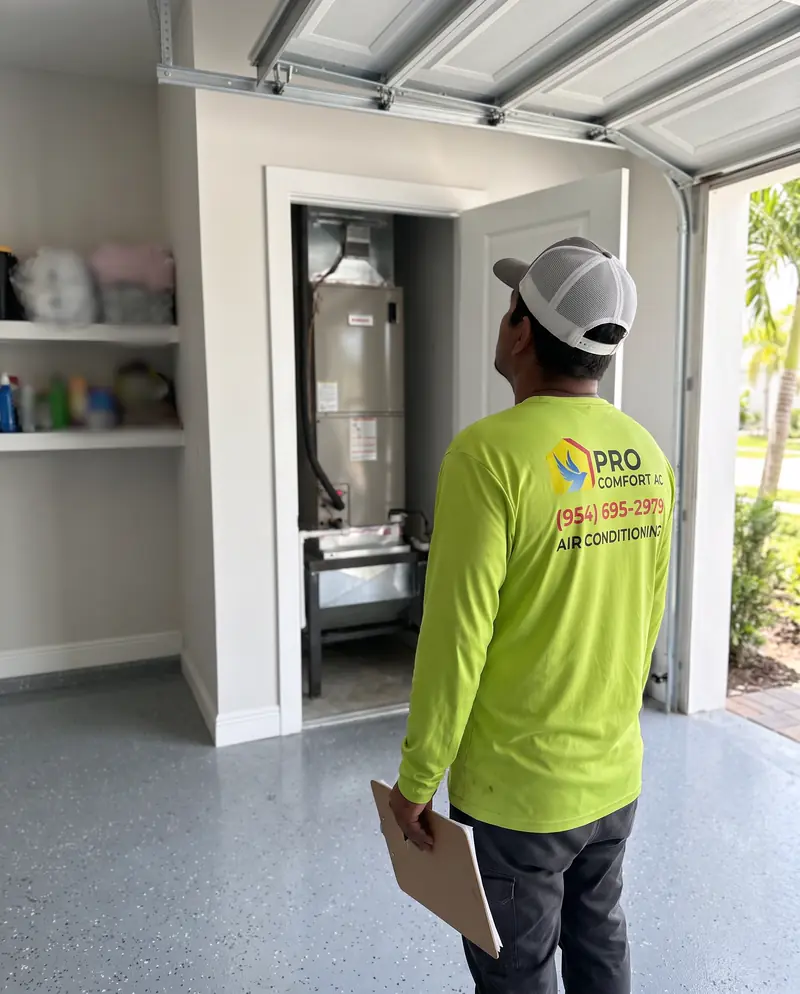
Not sure what you have? Count the outdoor condensers, then look for separate air handlers in the attic, garage, closets, or mechanical rooms. Two outdoor units and two indoor sections usually mean two complete systems.
Replacing both systems together can be reasonable when both show clear signs of wear or when the combined project reduces real costs or disruption. The second system should have its own reason for replacement. Similar age or matching equipment is not enough on its own.
Replacing both may be worth considering when:
Doing both at once is not automatically cheaper. Ask for a price for each system on its own and another for replacing both together. The total cost will also depend on the equipment, access, electrical work, and any duct changes.
Keep the second system when it is cooling well, has a good maintenance history, and does not have an expensive repair ahead. A newer system serving an addition or lightly used guest area may have far less wear than the system serving the main part of the home.
A recent compressor or coil repair may also change the decision, especially if the work is still covered. Before replacing a working system, consider its age, repair history, performance, and warranty just as you would when deciding whether to repair or replace it.
If only one system has a clear reason for replacement, replacing that one now and planning for the other later is a practical choice.
Yes. A new AC can work in the same home as an older system because each complete system has its own thermostat, refrigerant circuit, air handler, and ductwork.
The systems also do not need to be the same brand or efficiency rating. The new one may run more quietly or control humidity differently, but that does not create a compatibility problem between the two areas. What matters is that the indoor and outdoor components within each system are properly matched.
If the second system is still in good condition, plan for its replacement instead of waiting for an emergency. Set a review date, reserve a budget, and decide which problems would move the project forward.
Those triggers may include:
Seasonal residents and remote owners should keep photos, model and serial numbers, warranty details, and recent service records for both systems. That information makes it easier to review a diagnosis or approve work from a distance.
If replacing both now makes sense but the upfront cost is the main concern, financing may offer more flexibility than delaying the second system solely because of budget.
Each system should be sized for the area it serves. Copying the old tonnage or dividing the home’s square footage in half can lead to uneven cooling, short cycling, and poor humidity control.
The contractor should complete a separate load calculation for each zone. That calculation should account for the area’s square footage, ceiling height, windows, sun exposure, insulation, room use, air leakage, and ductwork.
An upstairs area may take on more heat through the roof, while a downstairs zone may include a busy kitchen, frequently opened doors, or an open stairway.
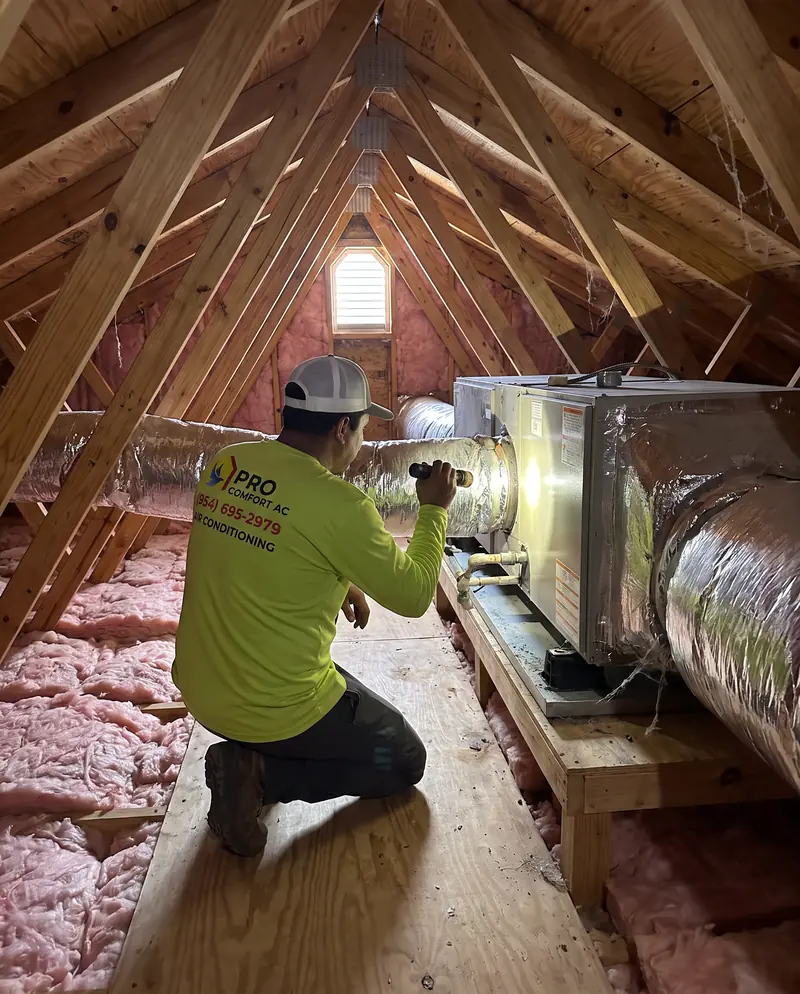
South Florida heat and humidity can put a heavy workload on both systems, but they may not work equally hard. An upstairs system may run longer because of heat from the roof, while a system serving a guest area may run much less often.
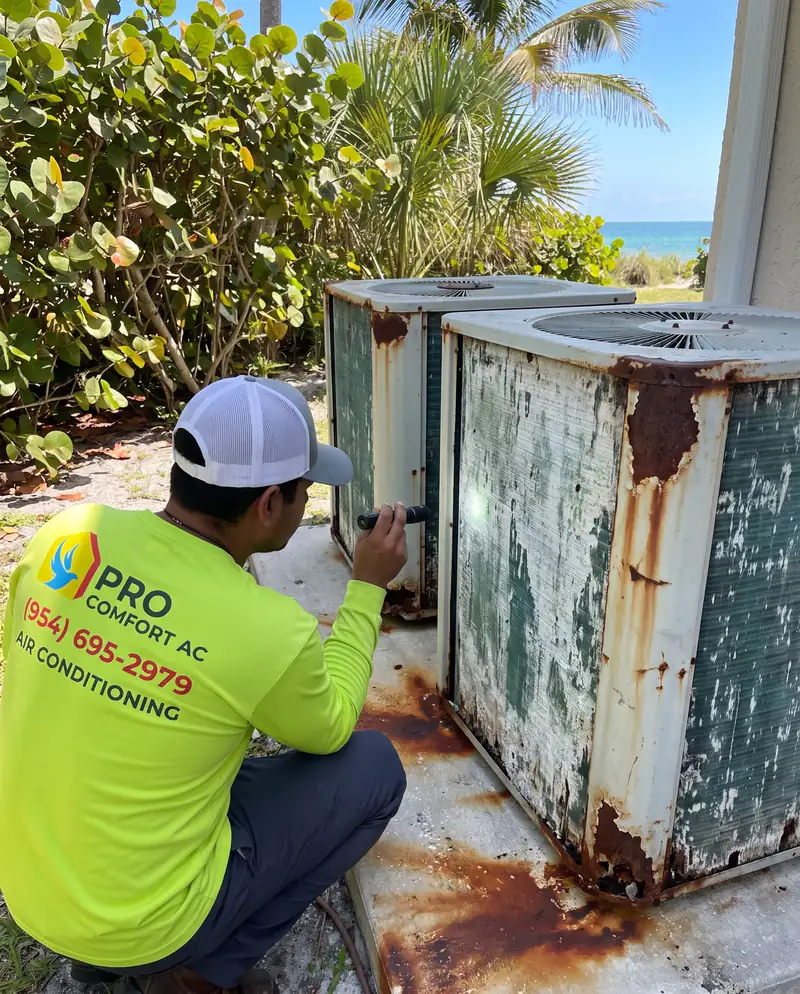
Outdoor conditions can differ too. Salt air, irrigation, poor drainage, or limited airflow around one condenser can cause it to corrode faster than the other. Even systems installed on the same day may not need to be replaced at the same time.
The decision is easier when every proposal includes the same information. Start by comparing what each quote includes, not only the price at the bottom.
Each system should have its own equipment details, load calculations, permit costs, electrical and ductwork, access requirements, warranties, exclusions, and schedule. Any work shared between the two systems should be clearly identified.
Replace one system
Usually Makes Sense WhenThe second system is reliable and still performing well
What to RequestA separate diagnosis and scope for each system
Replace both systems
Usually Makes Sense WhenBoth have documented problems or the project includes meaningful shared work
What to RequestIndividual prices plus an itemized combined price
Stagger replacement
Usually Makes Sense WhenThe second system still works but may be approaching a known problem
What to RequestReplacement triggers, a review date, and a future budget
Ask the contractor to evaluate each system separately before recommending one combined project. Get clear answers to these questions:
If the answers are vague, ask for a clearer written scope before deciding. You should be able to see why each system is or is not being recommended for replacement.
A two-system assessment should show what each system needs and whether doing the work together offers a real benefit. You should receive one option for the system that needs attention now and another for replacing both, when the condition of the second system supports it.
Our team can inspect both systems during an AC service visit and explain the findings clearly. To schedule an assessment and receive written options, contact our team. The goal is to help you choose the right scope for your equipment, home, and budget without replacing a working system unnecessarily.
Pro Comfort AC LLC
817 SE 9th St
Deerfield Beach, FL 33441
Phone: (954)363-9191
Email: procomfortac@gmail.com
Business Hours
Monday – Sunday: Open 24 Hours
Emergency Service Available
Reviewed September 6, 2026. Financing terms, warranty policies, permit rules, utility incentives, and equipment availability can change. Confirm current details before making a final decision.