A new AC warranty in Florida usually covers certain equipment parts when they fail because of a manufacturing defect. Labor, diagnosis, refrigerant, shipping and damage caused by installation, corrosion, electrical events or storms may be handled separately or excluded. Before buying, ask for the exact warranty documents and a written explanation of what you could still have to pay.
The phrase “10-year warranty” sounds simple, but it may describe only one part of your coverage. The manufacturer, installer and any service-plan provider can each be responsible for different costs. Their terms may also have different exclusions, claim procedures and transfer rules.
Start by identifying who issued each promise. One document rarely covers the equipment, labor, installation and outside damage together.
This warranty comes from the equipment manufacturer. It generally addresses covered components that fail because of a defect during the stated warranty period. The exact equipment model and written terms control which parts are included.
The installing contractor may provide separate coverage for problems caused by the installation. Ask what qualifies as a workmanship issue, how long the coverage lasts and whether diagnosis, materials and return visits are included.
Labor coverage may come from the installer, manufacturer or another plan provider. It may cover some or all of the technician’s labor on an approved repair, but deductibles, authorization requirements, labor limits and provider restrictions can apply.
Damage caused by lightning, flooding, wind or another outside event is usually considered separately from a manufacturing defect. Whether property insurance responds depends on the cause, policy language and deductible.
When comparing new AC installation options, ask for each applicable document before choosing between proposals. A summary on the quote is useful, but it should not replace the actual terms.
It often refers to a manufacturer’s parts term, not ten years of free repairs. The term may differ by component, model and warranty document, so do not assume the compressor, controls, labor and refrigerant all receive identical coverage.
If a covered part fails, the part may be supplied under the manufacturer’s terms while you remain responsible for other parts of the repair. A technician still has to diagnose the failure, confirm coverage, obtain the part, install it and restore the system to operation.
| Invoice item | Manufacturer parts warranty | Labor or extended plan | Possible customer cost |
|---|---|---|---|
| Covered failed part | May provide the replacement part under the written terms | Usually not the source of the part | Deductible, processing fee or a noncovered upgrade when stated |
| Diagnosis | Commonly separate from parts coverage | May be included by some plans | Service-call or diagnostic charge when excluded |
| Labor to replace the part | Commonly separate | Covered only within the plan’s limits and provider rules | Uncovered labor, overtime or difficult access |
| Refrigerant and repair materials | Terms vary and may be separate | Included only when the plan says so | Refrigerant, filter-driers, recovery, supplies or disposal |
| Shipping, permits, crane or access | Commonly separate | Plan-specific | Project costs not identified as covered |
| Damage linked to a surge, storm, corrosion, misuse or installation | Depends on the cause and exclusions | May be excluded or handled by another agreement | Potential insurance, installer or owner responsibility after the cause is documented |
The table does not replace your contract. Its purpose is to show why “the part is under warranty” and “the repair is free” are not the same statement.
Often, not under the manufacturer’s standard parts warranty. Labor, diagnosis and refrigerant are covered only when the manufacturer, installer or separate plan states that coverage in writing.
This difference becomes especially important during a compressor or coil repair. Even if the main component is covered, the job may involve diagnosis, refrigerant recovery, brazing, evacuation, replacement materials, new refrigerant and system testing.
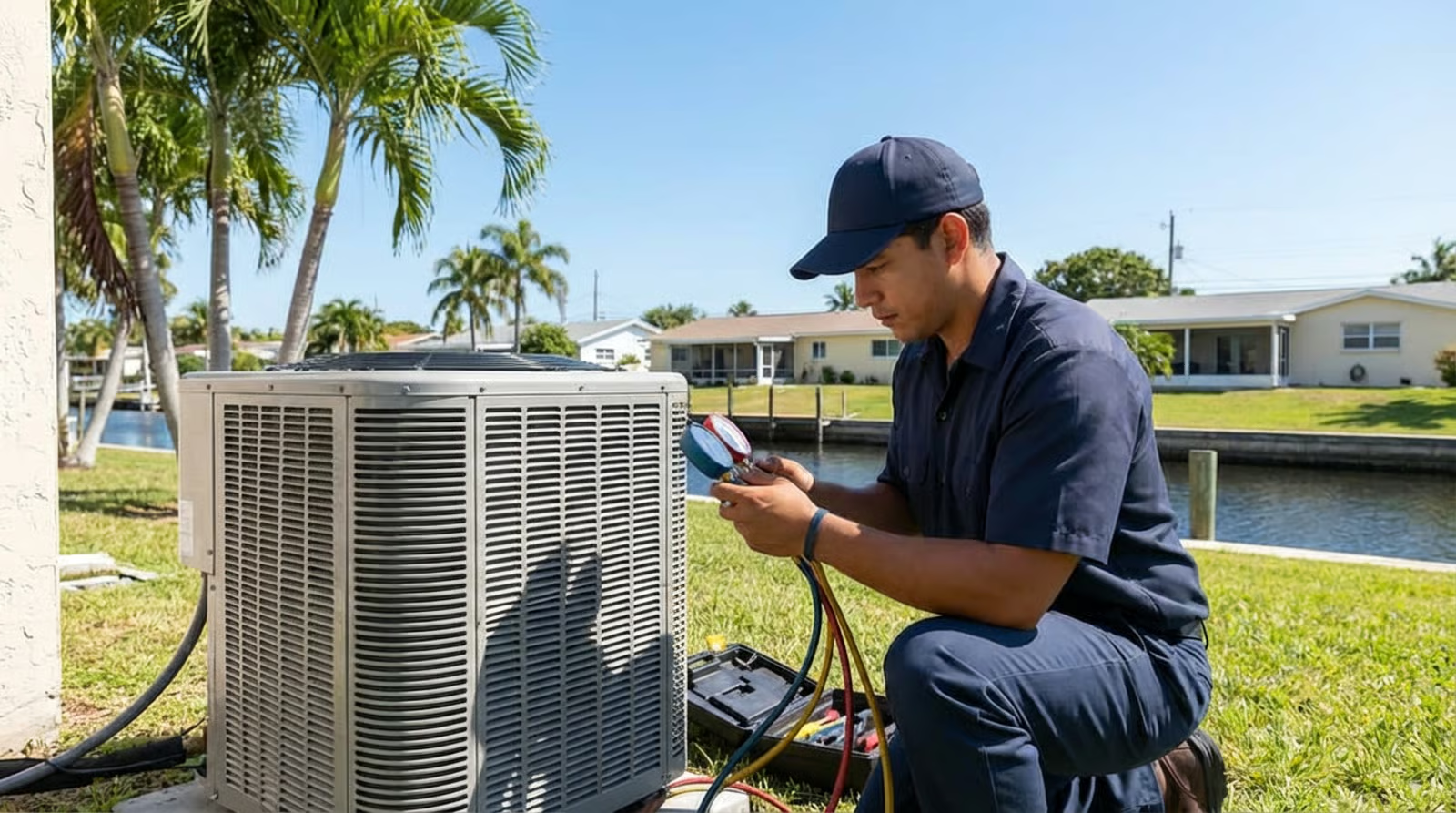
Before authorizing a major repair, ask for an itemized estimate showing:
If the covered component is a compressor, the remaining out-of-pocket cost still matters when comparing compressor replacement with a new system. The warranty status is one factor in that decision, not the entire answer.
Florida law does not allow an offered HVAC warranty to be shortened because the product was not registered. This protection applies to a manufacturer’s, distributor’s or retailer’s warranty when the system or component is installed by a contractor licensed under the applicable Florida law.
Florida Statute 559.957 states that the full warranty term begins on the installation date. It also says product registration cannot be a condition of the warranty, and registration materials must explain that failing to register does not reduce warranty rights or length.
Registration can still be useful. It connects the model and serial numbers to the installation record and gives you confirmation that may simplify a future claim. Ask who will submit it, then keep the confirmation with your other AC documents.
This statute addresses the offered equipment warranty. It does not mean every optional labor plan, maintenance agreement or third-party service contract follows the same rules. Read those documents separately.
Good records can prevent a warranty claim from turning into a search for missing model numbers or proof of installation. Collect the documents before the project is considered complete.
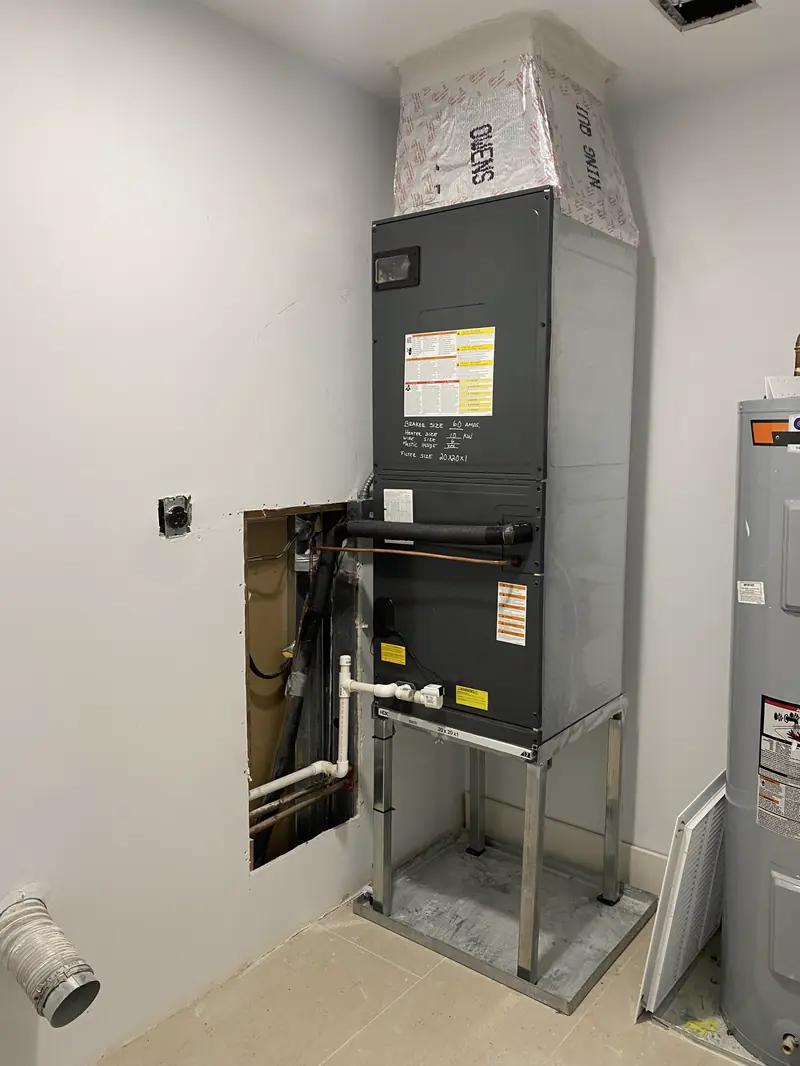
Keep:
The AC replacement process and project closeout should leave you with enough information to identify the installed equipment and understand who to contact later. Store digital copies where they can be found even if the paper folder is lost.
For qualifying Florida home sales, an active manufacturer’s HVAC warranty transfers automatically to the new owner. The transfer keeps the warranty in effect for its remaining term but does not restart or extend it.
Under Florida Statute 559.956, this applies when residential property containing the HVAC system is conveyed to a new owner on or after July 1, 2024, and the manufacturer’s warranty is still active. The manufacturer may not charge a transfer fee under this provision.
The law refers to the manufacturer’s warranty on the HVAC system or component. An installer’s workmanship warranty, labor plan or separate service agreement may have different transfer terms. Buyers and sellers should verify each layer instead of assuming they all move with the home.
Before closing, gather:
These records help the buyer confirm what remains covered and identify any agreements that require a separate update.
Warranty coverage depends on why the failure happened. A defective part, installation error, maintenance issue and storm-related loss may look similar after the system stops working, but they can fall under different agreements.
A manufacturer may dispute coverage when the failure is connected to installation, modification or incompatible components rather than a defect in the part. The installer’s workmanship terms may become important in that situation.
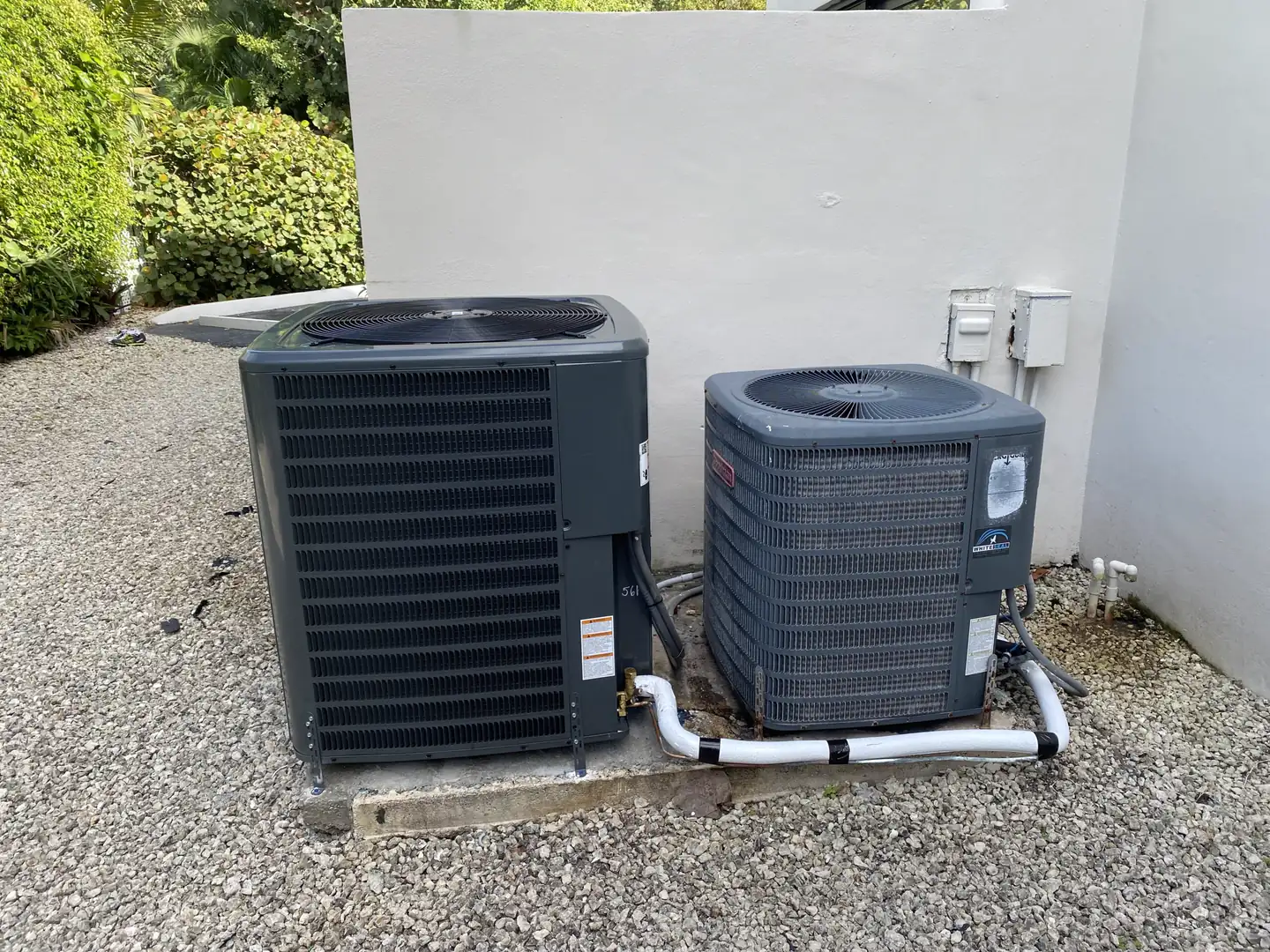
Matching matters when someone proposes replacing only the outdoor AC unit. Confirm that the indoor and outdoor equipment, controls, refrigerant and metering components are compatible, and ask how the proposed combination affects warranty coverage.
Coastal corrosion is often treated differently from a manufacturing defect, but the exact exclusion depends on the warranty. Ask how the manufacturer handles salt exposure, coated components and corrosion before choosing equipment for a coastal property.
Do not assume a protective coating creates blanket coverage. The coating or treated component may have its own maintenance instructions and separate warranty.
Damage caused by an electrical event, flood, wind or debris may fall outside a parts warranty because the cause is external to the equipment. Property insurance or another coverage layer may apply, depending on the policy and documented cause.
Some warranties or service plans include specific maintenance or recordkeeping requirements. Others do not require the same schedule. Follow the written terms for your equipment and plan rather than relying on a universal maintenance rule.
A clogged drain, pest damage or water entering from another source may not be a manufacturing defect. The diagnosis should separate the failed component from the condition that caused the damage before anyone decides which agreement applies.
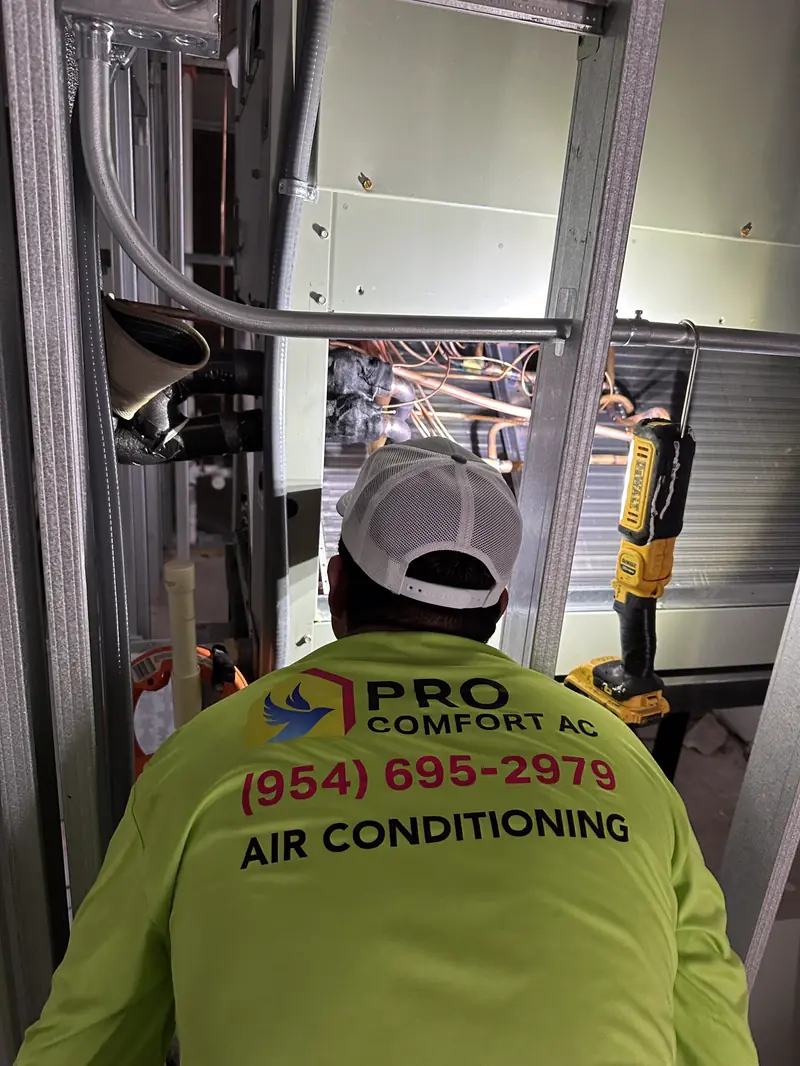
Avoid accepting “the warranty is void” as a complete explanation. Ask for the specific written provision, the documented cause of failure and an itemized estimate for anything not covered.
A warranty claim normally begins with diagnosis, not a call to request a free part. The provider needs the equipment information, cause of failure and claim authorization before coverage can be confirmed.
The process may look like this:
Step 1 of 7
Diagnose the problem. A technician identifies the failed component and likely cause.
Step 2 of 7
Confirm the equipment. The model number, serial number and installation date are checked.
Step 3 of 7
Check each coverage layer. The manufacturer warranty, labor plan and workmanship terms are reviewed separately.
Step 4 of 7
Request authorization. The responsible provider confirms eligibility and any claim requirements.
Step 5 of 7
Prepare the customer estimate. Covered and noncovered costs are separated before work begins.
Step 6 of 7
Complete the authorized repair. The technician replaces the part and performs the required startup checks.
Step 7 of 7
Save the claim record. Keep the authorization, part information, invoice and updated service history.
A labor plan may require a participating contractor or prior approval. Do not assume every HVAC company can process every brand or plan. During an AC diagnosis or warranty repair, ask for written confirmation before approving a major expense.
The strongest warranty is not necessarily the one with the largest number in the headline. Compare what is covered, who provides it and what you may still pay when a claim occurs.
Ask each contractor to identify:
Ask for the documents, not only a verbal summary. When two proposals appear similar, this comparison can reveal meaningful differences without turning the page into a brand ranking.
Before buying a new AC, ask for an itemized proposal that separates the equipment warranty, labor coverage, workmanship terms and any optional plan. It should also explain registration handling, transfer rules, exclusions and the costs that may remain yours during a covered repair.
Contact us to discuss a new-system proposal or the documents needed before authorizing a warranty repair.
Pro Comfort AC LLC
817 SE 9th St
Deerfield Beach, FL 33441
Phone: (954)363-9191
Email: procomfortac@gmail.com
Business Hours
Monday – Sunday: Open 24 Hours
Emergency Service Available
Last reviewed September 6, 2026. Florida warranty statutes were checked against the current Florida Legislature pages. Warranty and service-plan terms vary by provider and equipment. For advice about a specific legal dispute or property transaction, speak with a qualified Florida attorney.