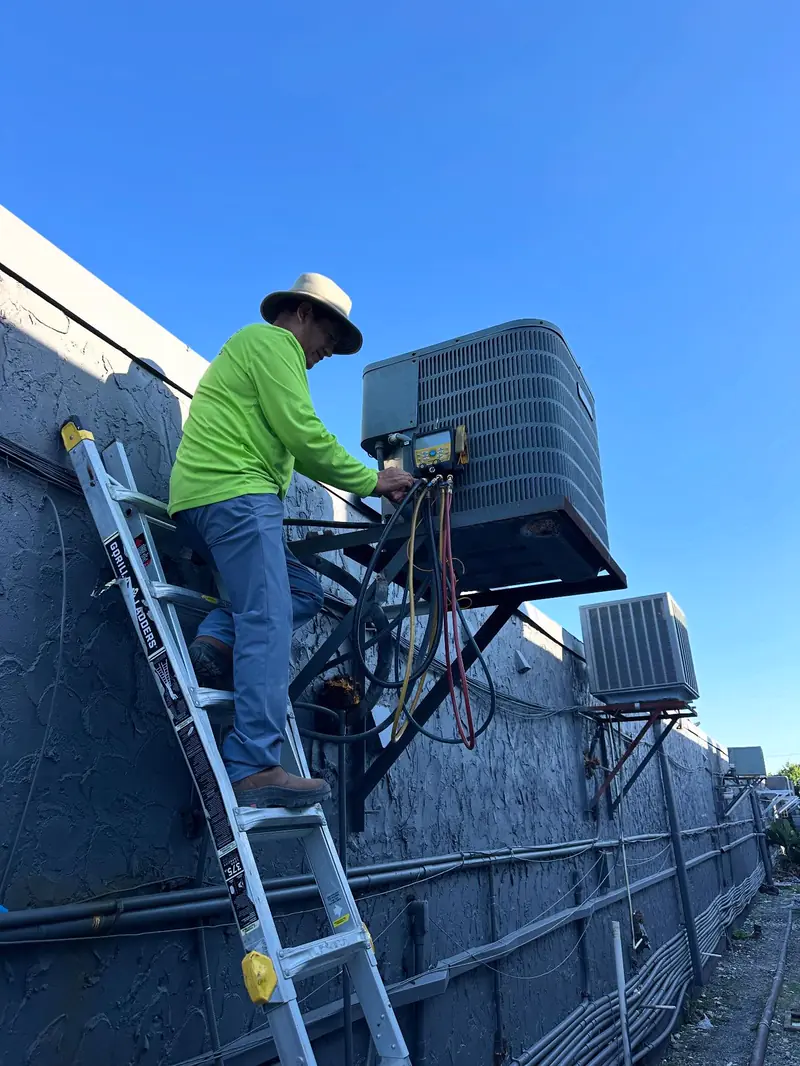
A heat pump can replace a central AC system and may be a good fit for a South Florida home that uses electric heat. It cools your home in summer and provides efficient warmth during mild winter weather. A straight-cool AC may still cost less upfront, especially if you rarely turn on the heat. The right choice depends on your home and two truly comparable quotes.
The cooling process stays much the same. Both systems use refrigerant to move heat out of your home. A heat pump can also reverse that process, bringing heat indoors when the thermostat calls for warmth.
That change may affect the thermostat, wiring, electrical capacity, indoor equipment, and system setup. A heat pump may also use supplemental heat strips during colder weather or while the outdoor unit is defrosting.
Whether you choose a heat pump or straight-cool equipment, a full central AC replacement should cover the matched indoor and outdoor equipment, drainage, electrical work, controls, permits, and system startup. If you choose the heat-pump option, proper installation and setup matter as much as the equipment itself.
Both can cool a home well when they are correctly sized and installed. Their main difference is how they provide heat during cooler weather.
Heat Pump
What You Are Comparing
Straight-Cool AC With Electric Heat
Summer cooling
Moves heat outside
Moves heat outside
Winter heating
Reverses operation to move heat indoors
Uses electric resistance heat strips
Supplemental heat
May use heat strips when needed
Heat strips provide the central heat
Humidity control
Depends on sizing, staging, airflow, and ducts
Depends on the same factors
Installation
May need control or electrical changes
May be simpler when replacing a similar system
Efficiency ratings
SEER2 for cooling and HSPF2 for heating
SEER2 for cooling
Do not compare a premium variable-speed heat pump with a basic single-stage AC and assume the difference comes from the system type. Ask for the same capacity, similar efficiency and staging, comparable warranty coverage, and a complete installation scope on both quotes.
It can be, especially when your current system relies on electric heat strips and you use heat often enough for the efficiency difference to matter. If the thermostat rarely calls for heat, a lower-priced straight-cool system may make more sense.
To compare the two options, look at:
Avoid promises based on a general payback period. South Florida homes use far less heat than homes in colder climates, and the numbers depend on your equipment, utility rates, settings, and actual heating use.
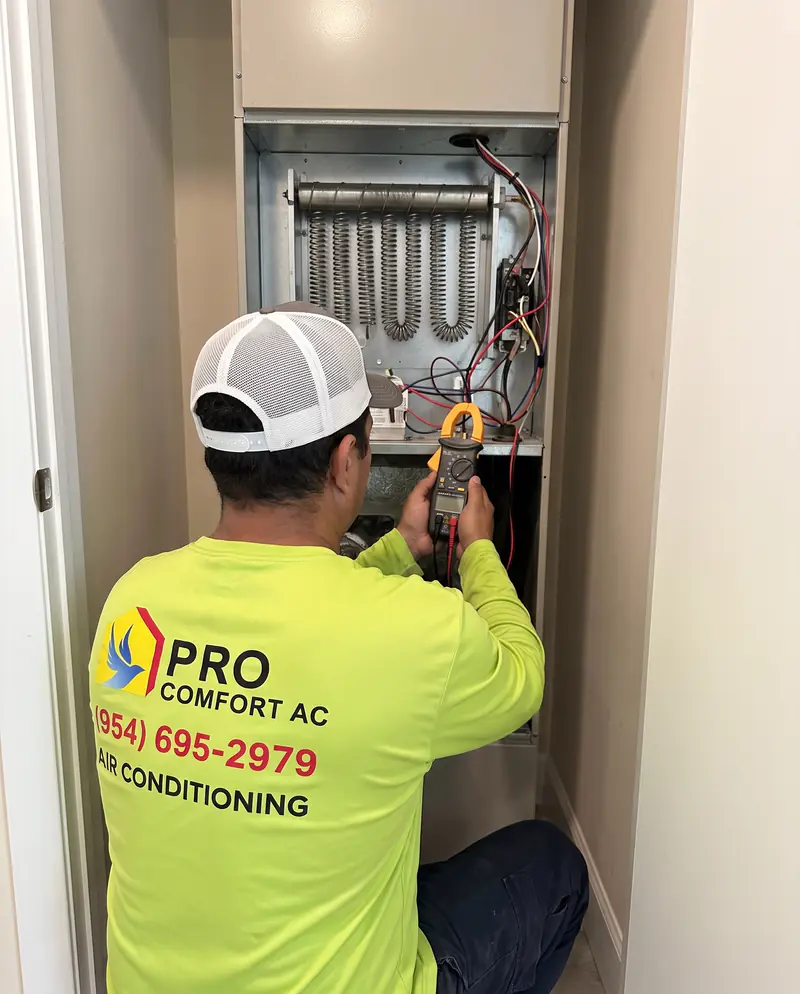
Many heat-pump systems include supplemental electric heat strips, but the correct size and setup depend on the home and equipment. The strips may provide extra warmth during colder periods and can also run while the heat pump completes a defrost cycle.
The quote should show the strip size, how it will be controlled, and whether the existing breaker and wiring can support it. It also helps to understand the difference between supplemental and emergency heat before choosing the equipment. The right approach to heat strips in South Florida depends on the home’s heating load rather than a basic square-footage rule.
Not simply because it is a heat pump. Summer humidity control depends more on correct sizing, compressor staging, blower speed, coil selection, duct condition, and how long the system runs during each cycle.
A variable-speed heat pump may control moisture better than a basic single-stage AC, but the variable-speed operation is the important difference. A single-stage heat pump can still struggle with humidity if it is oversized. When moisture is the main concern, compare variable-speed and single-stage systems rather than judging by the heat-pump label alone.
Often, but both need to be inspected before the system is selected. Ductwork that cooled the home with the old AC is not automatically right for the new equipment.
The estimate should include a review of:
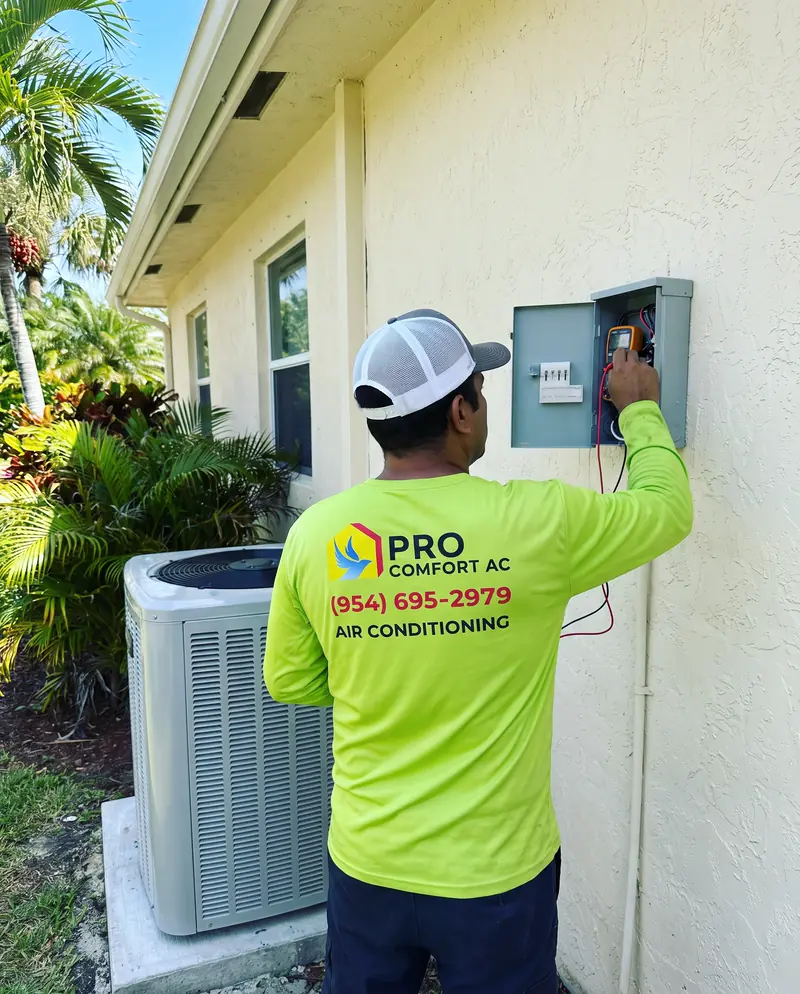
The new system should be chosen from the home’s current cooling load, not copied from the old equipment. A proper load calculation accounts for the home’s windows, insulation, sun exposure, room use, air leakage, and ductwork.
SEER2 rates cooling efficiency, while HSPF2 rates heat-pump heating efficiency. Straight-cool systems have a SEER2 rating but do not receive an HSPF2 rating for electric resistance heat.
The ratings apply to a specific matched combination of indoor and outdoor equipment. Ask for the AHRI certificate tied to the exact models on the quote rather than relying on a general product-family rating. Understanding how the efficiency ratings differ can help you compare the numbers without assuming the highest rating is automatically the best value for your home.
Ask for two proposals based on the same cooling load, similar equipment tiers, and the same installation needs. Otherwise, you may be comparing equipment quality and extra work rather than heat-pump and straight-cool technology.
Before choosing, confirm that both quotes show:
An incentive can lower the effective cost, but it should not decide whether the equipment fits your home. Check current Florida HVAC incentives against the exact models and current program rules before including them in your budget.
You should not have to choose between a heat pump and straight-cool AC based on two mismatched proposals. Ask for both options at the same capacity and equipment level, with every difference in controls, heat strips, electrical work, efficiency, and price shown in writing.
Our local HVAC team can inspect your existing system and prepare comparable replacement options when both are appropriate for the home. Contact us to request an assessment and written quotes.
Pro Comfort AC LLC
817 SE 9th St
Deerfield Beach, FL 33441
Phone: (954)363-9191
Email: procomfortac@gmail.com
Business Hours
Monday – Sunday: Open 24 Hours
Emergency Service Available