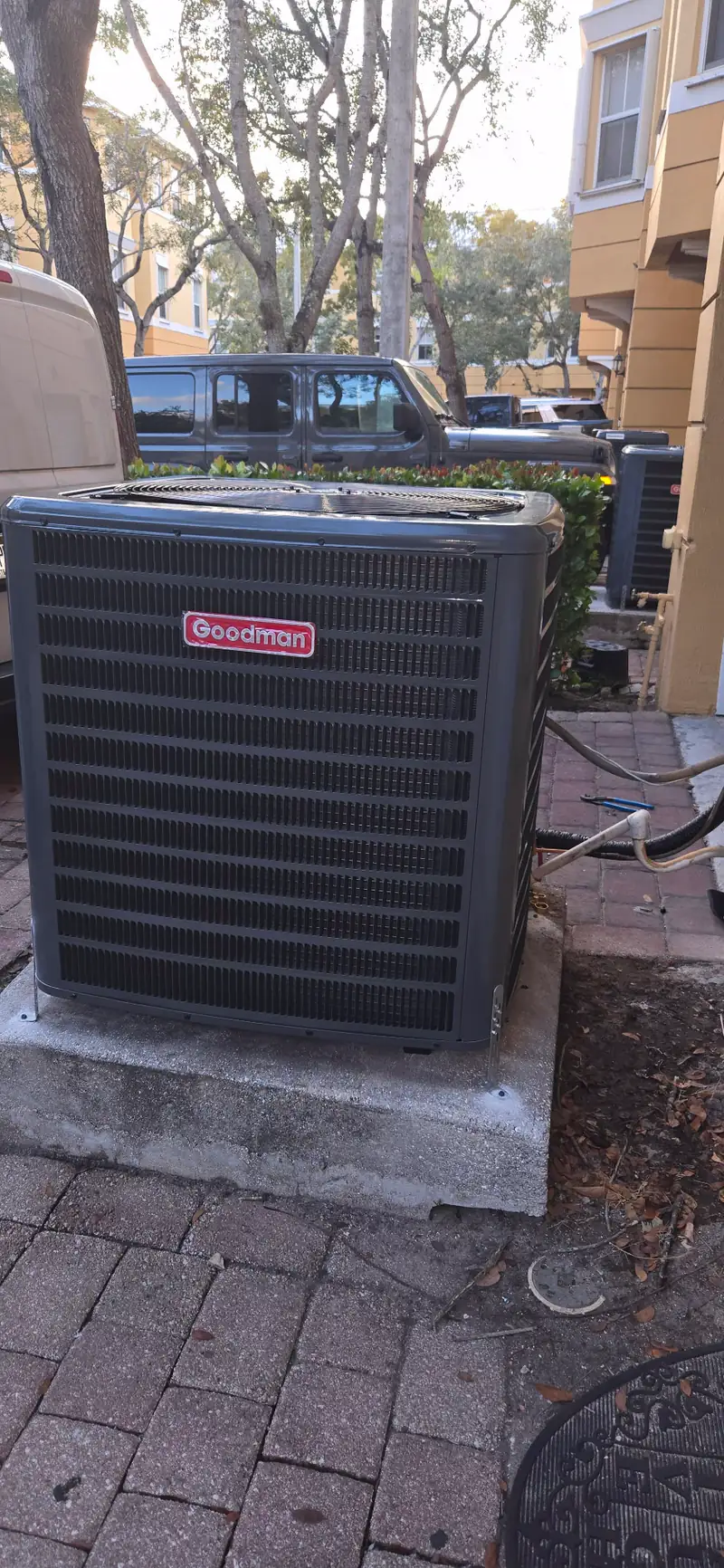
Replacing your condo AC can make it quieter when the equipment is causing the noise and the installation addresses how that sound reaches your room. A new unit alone may not solve whistling vents, cabinet vibration, or noise from shared building piping. Before choosing a replacement, have the source checked so you know what the work can realistically improve.
If the AC keeps you awake or interrupts conversations, “quieter” needs to mean something specific: less rattling from the closet, a softer start-up, or less rushing air near your bedroom. That gives you and the contractor a clear goal when comparing options.
Replacement is more likely to help when a worn component or the existing equipment design is responsible for the sound. If the noise comes from the surrounding installation, those conditions need attention too.
For example, replacing a loud compressor may reduce mechanical noise. But installing new equipment against the same vibrating surface can leave a noticeable hum. Likewise, a quieter fan will not necessarily solve a whistle caused by a restricted air opening.
Before approving a quiet condo AC replacement, ask the technician to explain:
The recommendation should connect the noise you hear to a specific correction. “Newer equipment is quieter” is not enough to explain why this replacement would help in your condo.
The sound gives the technician a useful starting point, but it does not identify the fault by itself. Describe what you hear rather than trying to name the failing part.
If the sound began after recent maintenance, have the new noise checked before committing to replacement. A loose panel or another change during service may need attention even when the main equipment remains usable.
A short noise log helps the technician investigate the problem under the conditions that bother you. You do not need technical measurements; clear observations are useful.
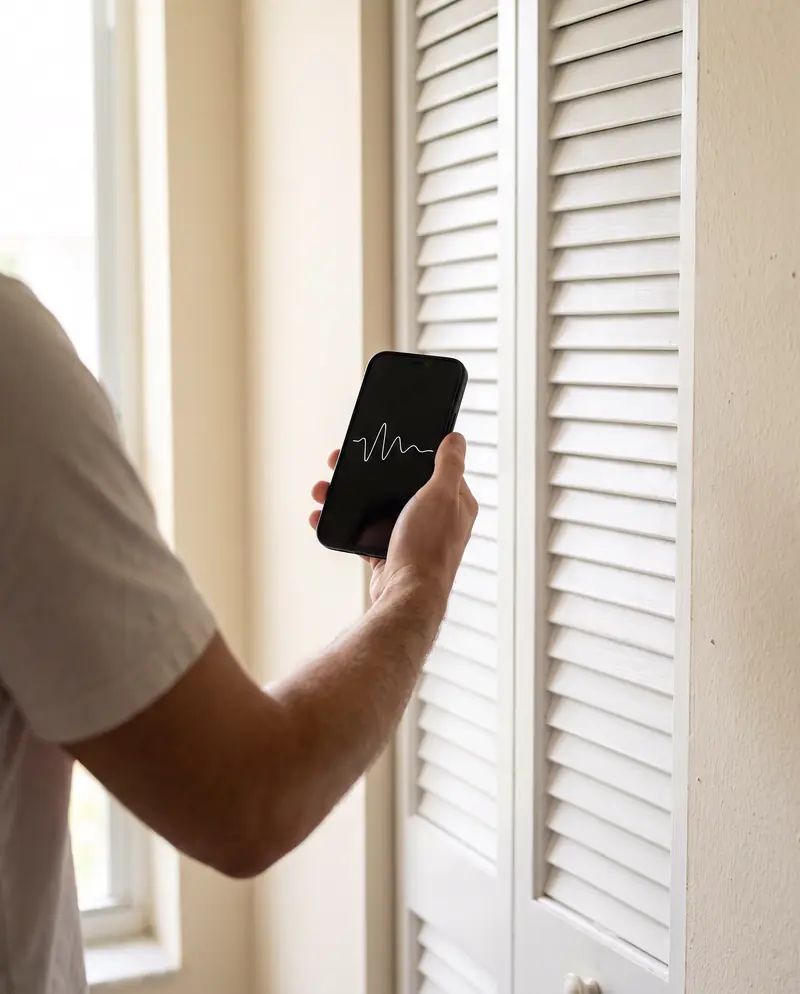
A short phone recording can help explain the sound, especially if it is intermittent. It cannot establish the equipment’s sound rating or replace an on-site assessment. Keep the recording focused on your equipment and avoid capturing private conversations.
If you only stay in your Boca Raton condo part of the year, share this information before the appointment. Explain when the noise usually occurs so the visit can be arranged around a useful operating period.
Yes, when mounting, airflow, or connection details are responsible for the noise. Correcting those conditions may be enough without replacing otherwise usable equipment.
Depending on your model, the technician may check whether the cabinet touches the building structure, whether the required vibration isolation is present, and whether duct or piping connections transmit vibration. Air openings and service clearances need attention as well.
The correction should follow the manufacturer’s instructions for your exact equipment. Adding padding, wrapping the cabinet, or blocking an opening can interfere with operation or access.
If the concern points to shared piping or building equipment, management may need to arrange a separate assessment. Replacing your individual unit does not automatically change a noise source elsewhere in the building.
Compare ratings measured on the same basis. A lower advertised decibel number is useful only when you know what was measured and under which operating conditions.
Two terms often appear in manufacturer data:
Sound Power: The sound energy emitted by the equipment.
Sound Pressure: The sound measured at a particular location, affected by distance and the surrounding space.
These measurements are different. Neither number, by itself, tells you how quiet your bedroom will be.
Ask the contractor to compare the proposed models at similar capacity, airflow, and operating conditions. Confirm whether the rating describes fan-only operation or operation with the compressor running. For variable-speed equipment, ask which operating level the rating represents; a low-speed figure does not describe every cooling cycle.
You should be able to understand why one option is expected to sound better in your space without having to interpret an engineering data sheet yourself.
The useful shortlist starts with equipment compatible with your condo’s space, building system, and exposure to coastal conditions. Then you can compare sound performance. A model advertised as quiet may still be unsuitable for the installation.
With a water-source heat pump, the compressor is part of the indoor equipment. With a split system, it is outside, so indoor noise concerns often involve the air handler, airflow, or vibration. That difference changes what the replacement needs to address.
If your building uses a vertical-stack unit, ask whether the proposed replacement retains the cabinet or sleeve. Any retained parts that transmit sound should be included in the assessment rather than assumed to be fine.
For an outdoor unit exposed to salt air, weigh corrosion resistance alongside sound performance. The equipment needs to suit the installation as well as your noise goal; a brand name alone does not establish either.
Sometimes. A model-specific notice may describe a correction for a known sound, so ask the technician to check your model and serial number before recommending replacement.
For example, Bosch issued a September 2025 notice addressing whistling in specified RL and CL water-source heat pumps produced before July 2025. The notice describes a replacement discharge-pipe assembly for affected equipment experiencing that noise.
That does not mean every Bosch heat pump has the issue, or that every whistle has the same cause. The technician needs to confirm whether your equipment and symptoms match the notice. If they do, compare the proposed correction with replacement before deciding.
A useful replacement quote connects the identified noise source to the proposed work. It should explain more than which unit will be installed.
Look for:
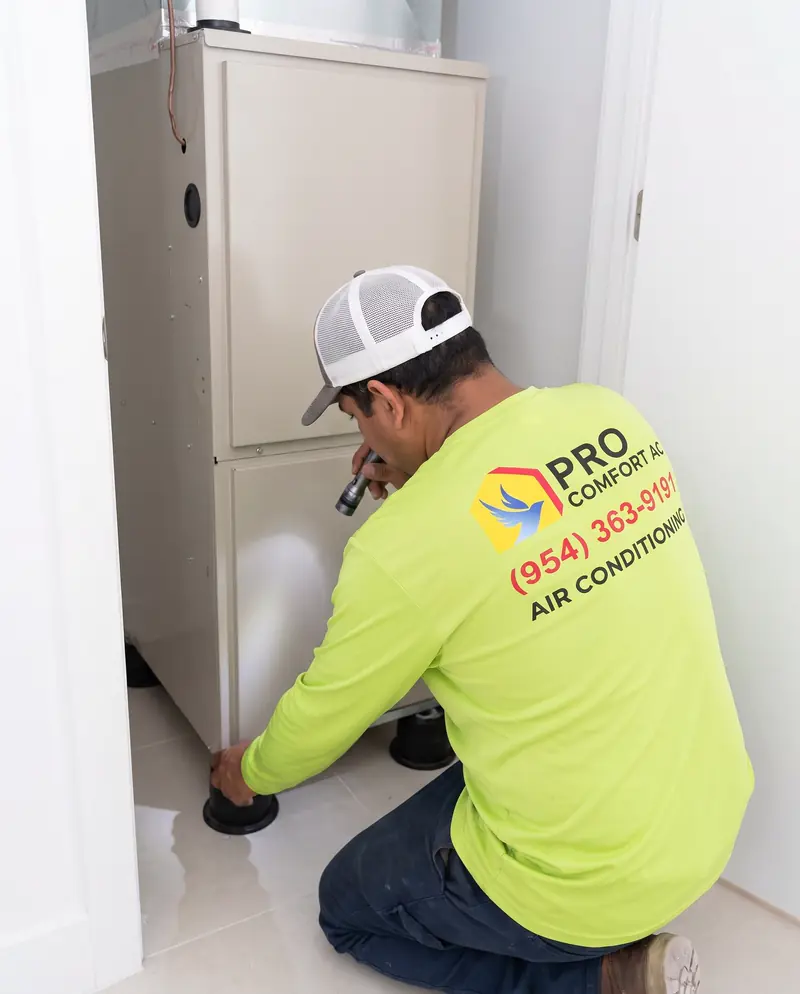
If one quote includes installation corrections and another covers only the equipment swap, ask about that difference before comparing prices. The lower equipment rating may matter less than whether the work addresses the sound you hear.
The project plan should account for association approval and contractor access, particularly if the proposed correction involves connections or areas controlled by the building.
Listen from the same room and during the same operating mode that caused the original complaint. Start-up, steady cooling, and fan-only operation can sound different, so checking one brief cycle may leave questions unanswered.
Use your original notes to describe what improved and what remains. Be specific: “the closet rattle has stopped, but the bedroom vent still whistles” gives the technician more to investigate than “it is still loud.”
Request the installation and start-up records alongside that listening check. Equipment operating correctly and the room feeling quieter are related outcomes, but one does not prove the other.
Possibly, but any acoustic treatment needs to preserve required airflow, clearances, and service access. Sealing a louvered door or covering openings can create another problem.
Have the noise source assessed first. Then ask whether an approved change to the closet or sound path would help, either with the existing system or as part of replacement.
If noise is the main reason you are considering replacement, lead with that when you request an assessment. Share the model number, where the sound bothers you, when it occurs, and any recent service history.
Ask for a recommendation that explains what can be corrected, what replacement would improve, and what may need separate attention. That gives you a clearer basis for choosing equipment and a practical way to judge the result.
Pro Comfort AC LLC
817 SE 9th St
Deerfield Beach, FL 33441
Phone: (954)363-9191
Email: procomfortac@gmail.com
Business Hours
Monday – Sunday: Open 24 Hours
Emergency Service Available